
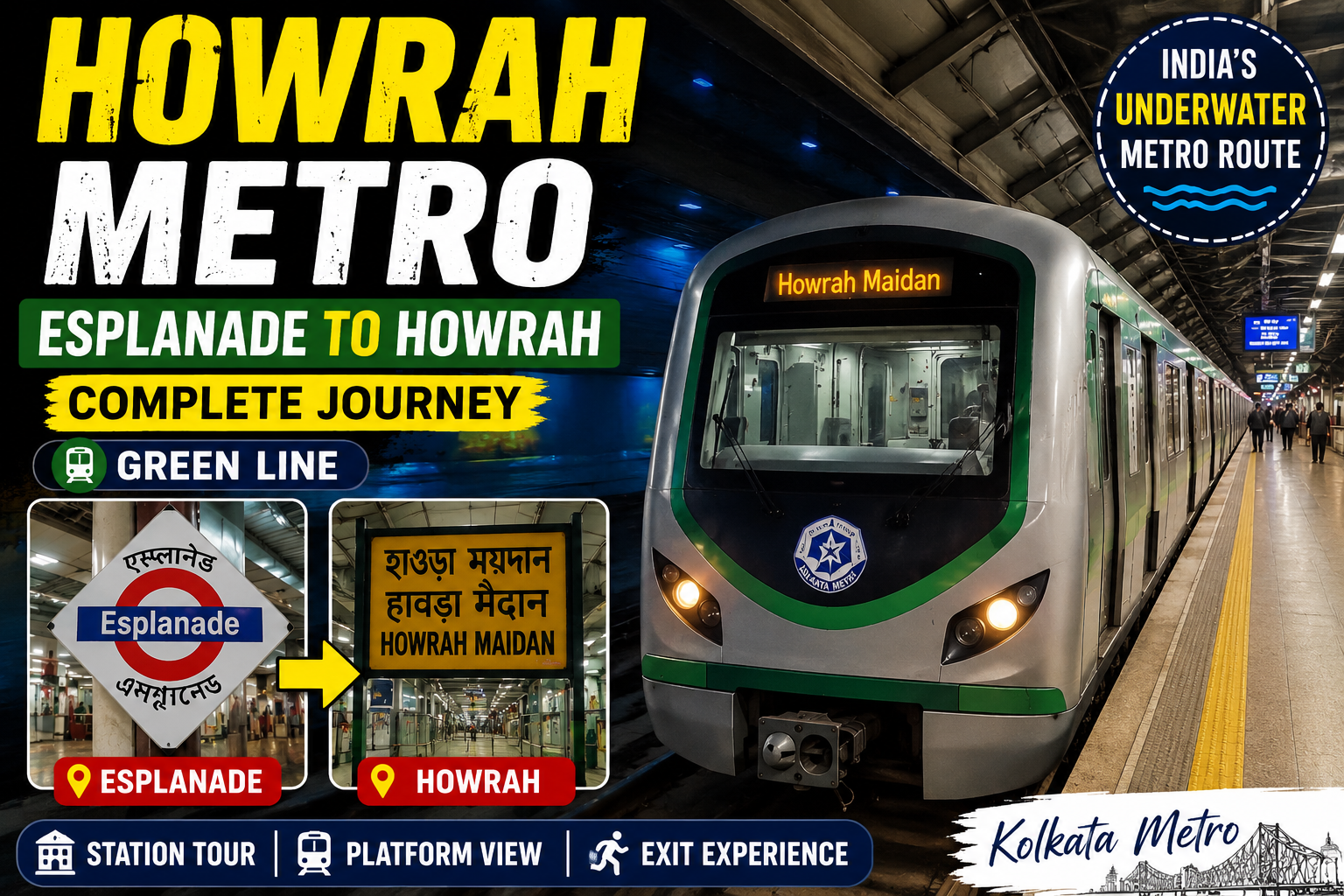
The Howrah Metro has become one of the biggest attractions in Kolkata since the launch of India’s first underwater metro tunnel beneath the Hooghly River. What was once a dream project is now one of the city’s fastest and most convenient ways to travel between Kolkata and Howrah. Every day, thousands of office-goers, students, railway passengers, and tourists use this metro route to avoid heavy traffic on the Howrah Bridge and enjoy a comfortable journey.
If you are planning to travel from Esplanade Metro Station to Howrah Metro Station, this guide will help you understand everything about the journey. Along with my personal travel experience, I will also cover the Kolkata Metro network, routes, fares, timings, station facilities, and useful travel tips.
Kolkata Metro – India’s First Metro Railway
The Kolkata Metro is India’s first metro railway system. It started operations in 1984 and completely changed public transportation in the city. Over the years, the metro network has expanded beyond the traditional North-South corridor and now connects important locations such as Salt Lake, Sealdah, Howrah, and New Garia.
Today, the Kolkata Metro consists of multiple corridors, each serving different parts of the metropolitan area.
The Blue Line connects Dakshineswar with Kavi Subhash and remains the busiest corridor in the city.
The Green Line (East-West Metro) is the newest engineering marvel that connects Howrah Maidan, Howrah, Mahakaran, Esplanade, Sealdah, Salt Lake, and Sector V. This is the route that includes India’s first underwater metro tunnel.
The Orange Line is being developed to connect New Garia with Kolkata Airport, while the Purple Line will improve connectivity between Joka and Esplanade. As these projects are completed, Kolkata will have one of the most extensive metro networks in eastern India.
My Journey from Esplanade to Howrah Metro Station
My journey began at Esplanade Metro Station, one of the busiest interchange stations in Kolkata. After completing the security check, I entered the station and started walking towards the Green Line platform.
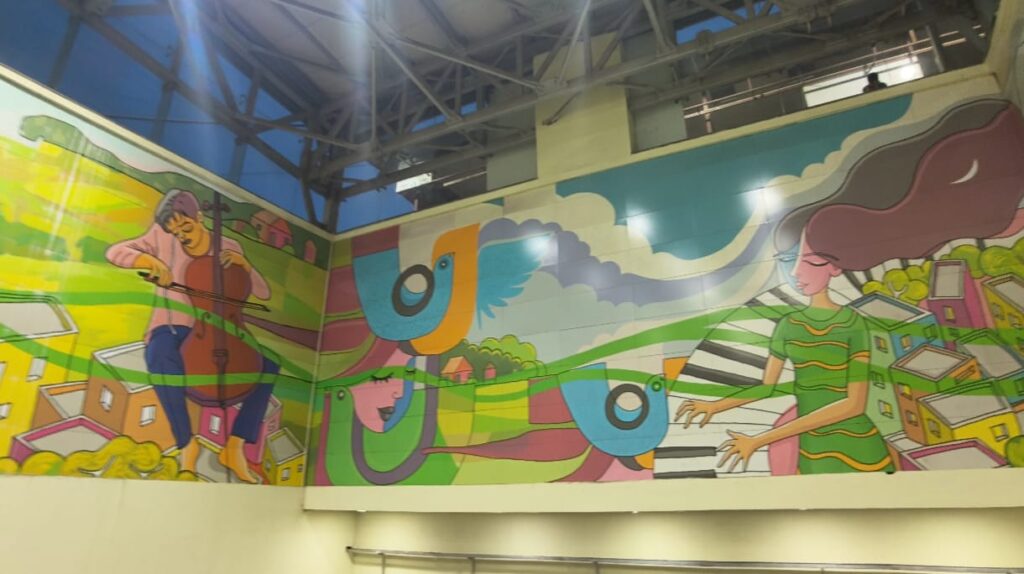
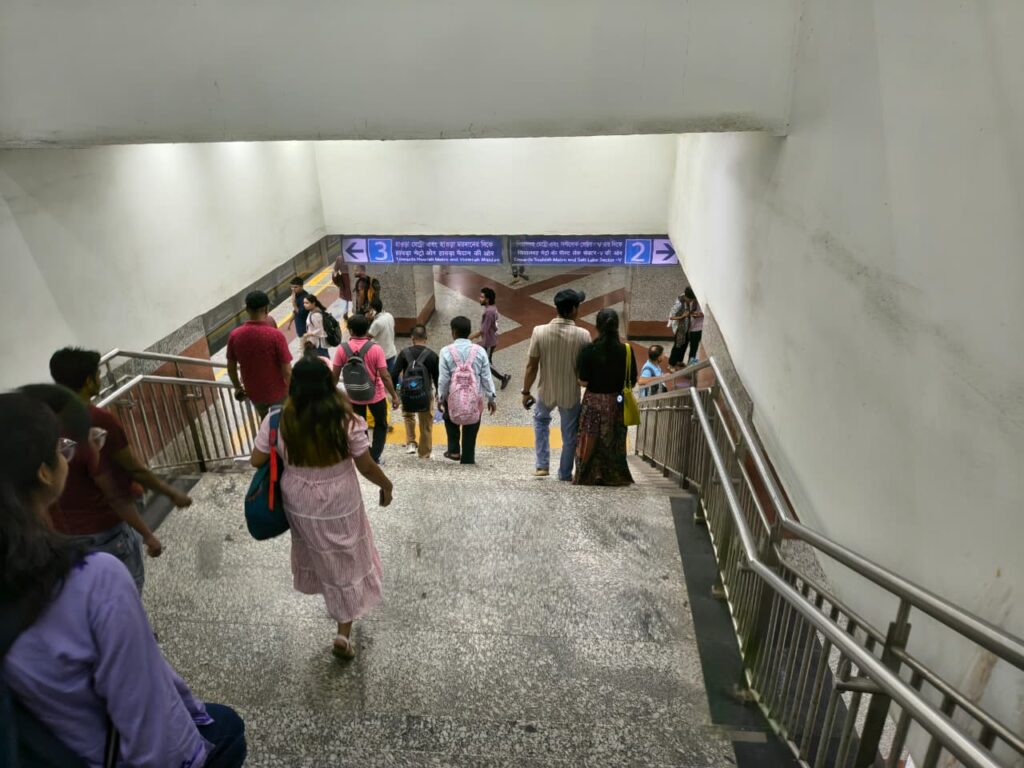
The station immediately impressed me with its modern architecture, clean surroundings, digital information displays, and well-organized passenger movement. Clear signboards made it easy to locate the platform even for first-time visitors.
While walking through the station, I noticed a large number of commuters along with tourists who had come specifically to experience the famous underwater metro route. Since the Howrah Metro has become one of Kolkata’s newest attractions, many visitors were taking photographs inside the station.
When the train arrived, it was quite crowded. Because of the heavy rush inside the coach, I couldn’t record the underwater section of the journey. However, the metro ride itself was smooth, quiet, and comfortable.
Within just a few minutes, the train reached Howrah Metro Station. After getting off the train, I recorded the platform and walked towards the station exit. The station is spacious, bright, and equipped with modern facilities such as escalators, elevators, CCTV surveillance, and digital information boards. The exit is clearly marked, making it easy for passengers to reach Howrah Railway Station and nearby transport services.
Although I couldn’t film the underwater section due to the crowd, the journey itself was enjoyable and demonstrated how efficiently Kolkata Metro has improved connectivity between the two cities.
Why is the Howrah Metro So Famous?
The biggest reason behind the popularity of the Howrah Metro is its underwater tunnel beneath the Hooghly River, making it the first metro tunnel of its kind in India.
The tunnel lies approximately 32 metres below the riverbed, and the underwater stretch is around 520 metres long. The train crosses beneath the river in less than a minute, providing passengers with a unique travel experience. While the river itself cannot be seen from inside the train because it travels through a sealed tunnel, the engineering achievement has attracted visitors from all over the country.
The Howrah Metro has also reduced travel time significantly. What could previously take 30 to 45 minutes by road during peak traffic can now be completed in just a few minutes by metro.
Route, Fare and Timings
The Green Line currently connects Howrah Maidan, Howrah, Mahakaran, Esplanade, Sealdah, Phoolbagan, Salt Lake Stadium, Bengal Chemical, City Centre, Central Park, Karunamoyee, and Sector V.
The journey between Esplanade and Howrah usually takes about 5 to 7 minutes, making it one of the fastest ways to cross the Hooghly River.
The fare from Esplanade to Howrah Metro Station is approximately ₹10, making it one of the most affordable public transport options in Kolkata. Passengers can travel using either a token or a rechargeable smart card.
Metro services generally operate from morning until late evening, though timings may vary on weekends and public holidays. It is always advisable to check the latest schedule before travelling.
Facilities Available at Howrah Metro Station
Howrah Metro Station has been designed to handle a large number of passengers comfortably. Some of the facilities available include:
- Escalators and elevators
- CCTV surveillance
- Digital passenger information displays
- Clean platforms and waiting areas
- Drinking water facilities
- Smart card recharge counters
- Easy pedestrian connectivity to Howrah Railway Station
These facilities make travelling convenient for both daily commuters and tourists.
Places to Visit After Your Metro Journey
One of the advantages of travelling on the Howrah Metro is that several famous attractions are located nearby. After exiting the station, visitors can easily explore Howrah Bridge (Rabindra Setu), Howrah Railway Station, Mallick Ghat Flower Market, Millennium Park, B.B.D. Bagh, and Prinsep Ghat. These places showcase Kolkata’s rich history, architecture, and vibrant culture, making the metro journey a perfect addition to any sightseeing itinerary.
Travel Tips
If you are travelling on the Howrah Metro for the first time, consider visiting during non-peak hours to avoid heavy crowds. Carry a smart card if you plan to use the metro frequently, as it saves time at ticket counters. Follow station announcements, respect metro rules, and keep your belongings secure during busy hours. If you enjoy photography, capture the station architecture where permitted, but always follow the latest metro regulations regarding photography and videography.
Final Thoughts
The Howrah Metro is much more than a transport system—it is a symbol of Kolkata’s modern infrastructure and engineering excellence. The combination of affordable fares, fast travel, modern stations, and India’s first underwater metro tunnel has made it one of the city’s must-visit attractions.
My journey from Esplanade Metro Station to Howrah Metro Station was smooth, convenient, and enjoyable. Although I couldn’t record the underwater section because the train was crowded, the overall experience was memorable and well worth trying.
Whether you are a local commuter or a tourist exploring Kolkata, travelling on the Howrah Metro is an experience you should not miss. It offers a unique opportunity to witness one of India’s greatest urban transport achievements while enjoying a quick and comfortable journey across the Hooghly River.
1 thought on “Howrah Metro: Complete Guide to the Esplanade to Howrah Metro Journey & India’s First Underwater Metro”